

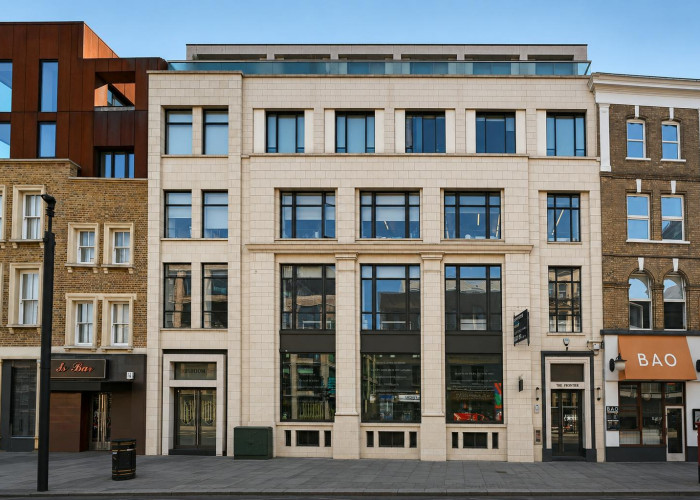
Soho, Fitzrovia, Clerkenwell, Shoreditch, King’s Cross and Kentish Town are the best office locations in London for creative industries. Each has its own creative identity. Soho remains the home of film, TV and advertising, Fitzrovia suits media and publishing, Clerkenwell is the capital’s design and architecture quarter, and Shoreditch leads on digital creativity. The right choice depends on your discipline, your clients and the type of building your team wants to work in.
The creative industries now contribute around £125bn to the UK economy, and a large share of that activity is clustered in a handful of London neighbourhoods. Being in the right one puts you closer to clients, collaborators and talent.
London’s Creative Office Locations at a Glance
| Area | Creative Strengths | Typical Buildings | Indicative Rent |
|---|---|---|---|
| Soho | Film, TV, post-production, advertising, music | Georgian townhouses, converted cinemas and studios | £75–£130 per sq ft |
| Fitzrovia | Media, publishing, architecture, PR | Mansion blocks, mews, refurbished period buildings | £70–£125 per sq ft |
| Clerkenwell | Architecture, product and interior design | Victorian warehouses, print works, workshops | £55–£90 per sq ft |
| Shoreditch and Hoxton | Digital agencies, gaming, branding, creative tech | Warehouses, tea and furniture factories | £50–£75 per sq ft |
| King’s Cross | Large creative brands, fashion, education | Modern campus buildings and converted goods yards | £60–£110 per sq ft |
| Kentish Town and Camden | Music, independent studios, small agencies | Former piano factories, workshops, canal-side units | £45–£65 per sq ft |
Rents are indicative headline figures for good-quality space and vary considerably by building and floor.
Why Is Soho Still the Heart of London’s Creative Scene?
Soho is still the heart of London’s creative scene because it has more than a century of film, music and media history packed into a few streets. Wardour Street, Dean Street and Golden Square remain home to post-production houses, production companies, advertising agencies and record labels.
The area’s density is its biggest asset. Clients, freelancers, editors and studios are all within a five-minute walk, which makes collaboration easy and meetings informal. Buildings such as Cinema House on Wardour Street show how the area’s heritage continues to shape its offices.
The trade-off is cost and size. Space in offices in Soho is in high demand and floors tend to be small, so larger teams may need to look slightly further afield.
Is Fitzrovia a Good Office Location for Media and Design Businesses?
Yes, Fitzrovia is a great office location for media and design businesses that want a West End address with a calmer feel than Soho. The area has a long association with broadcasting, advertising and architecture, and it attracts many of London’s best-known practices.
Fitzrovia offers a wider range of building sizes than Soho, from characterful mews houses to large refurbished floors, which makes it a good option for growing studios. Browse current offices in Fitzrovia to see the variety on offer.
Why Do Architects and Designers Choose Clerkenwell for their Office Locations?
Architects and designers choose Clerkenwell for their office locations because its former warehouses and print works offer exactly what creative studios need: high ceilings, large windows and open floors. The area has the highest concentration of architecture and design practices in London, along with furniture showrooms and an annual design festival.
Clerkenwell also sits between the West End and the City, giving creative firms easy access to corporate clients. Elizabeth line services at Farringdon have made it one of the best-connected creative districts in London. Explore offices in Clerkenwell if your studio values architectural character.
Is Shoreditch Still Right for Office Locations in London for Creative Industries?
Shoreditch is still a strong choice for digital agencies, branding studios and creative technology businesses in London. Its warehouse buildings, independent culture and younger workforce make it easy to attract talent, and rents are usually lower than in the West End.
The area has matured. Alongside its original converted warehouses, there are now newer, highly specified buildings, so agencies can find anything from raw loft space to polished, amenity-rich offices.
What About King’s Cross and Kentish Town for Creative Industry Office Locations?
King’s Cross office spaces suit larger creative organisations that want modern, sustainable buildings and a strong employer brand. Its regeneration has created a genuine creative campus, anchored by a major art school and several global technology and media headquarters.
Kentish Town and Camden offer something different: affordable, characterful space in former industrial buildings. The Piano Factory and Piano Yard are good examples of the converted spaces that appeal to music businesses, independent studios and small agencies.
How Do You Choose the Right Creative Location in London?
You can choose the right creative location in London for you by balancing four things: where your clients are, where your team lives, the type of building you need and your budget. A post-production house may need Soho regardless of cost, whilst a design studio might gain more from extra space and light in Clerkenwell or Kentish Town.
It also helps to visit at different times of day. The feel of a creative neighbourhood at lunchtime and early evening tells you a lot about whether your team will enjoy working there.
Final Thoughts
There is no single best location for every creative business, but there is usually a clear best fit for yours. Matching your discipline and culture to the right neighbourhood will make it easier to win work, attract talent and build a studio people want to come into.
Contact us for expert guidance on finding the right creative office location in London.
